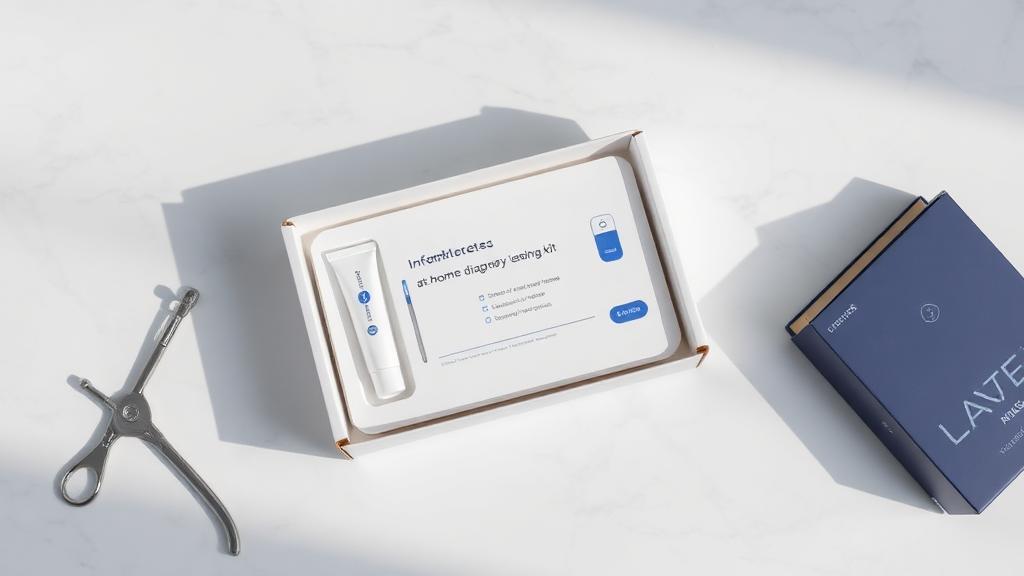
At-home testing has reshaped how patients engage with their own health data. The barriers of scheduling, travel, and clinic logistics no longer sit between curiosity and information. That accessibility is meaningful — but it has also created a market in which not every kit is built to the same standard.
"Convenience is not the same as quality. The right at-home test, processed in the right lab, with the right interpretation, is what makes the data useful."
What separates clinical-grade from convenience-grade
The kit is only the front end. What matters is the laboratory processing the sample, the assays being used, the reference ranges applied, and the qualifications of whoever is interpreting the results.
Clinical-grade at-home testing uses the same accredited laboratories that physicians rely on for in-clinic panels.
Sample quality is part of the result
Hydration, time of day, recent meals, and collection technique all influence what shows up in the result. A reliable provider gives clear pre-collection guidance and supports patients through any retests if a sample is insufficient.
Interpretation is the deliverable
Numbers without context are noise. The value of a panel — at home or otherwise — is in what the results mean for the individual. Clinical interpretation tied to the patient's broader health context is what turns data into decisions.
What this means for you
If you are choosing an at-home panel, evaluate the laboratory, the markers included, and the interpretation that comes with the result. Discuss findings with a qualified physician before making changes to medications, supplements, or other interventions.
Educational content only. Not medical advice. Consult a qualified physician before starting any protocol.